
Mastering Valorant Agents: Complete Guide to Agent Selection and Strategy
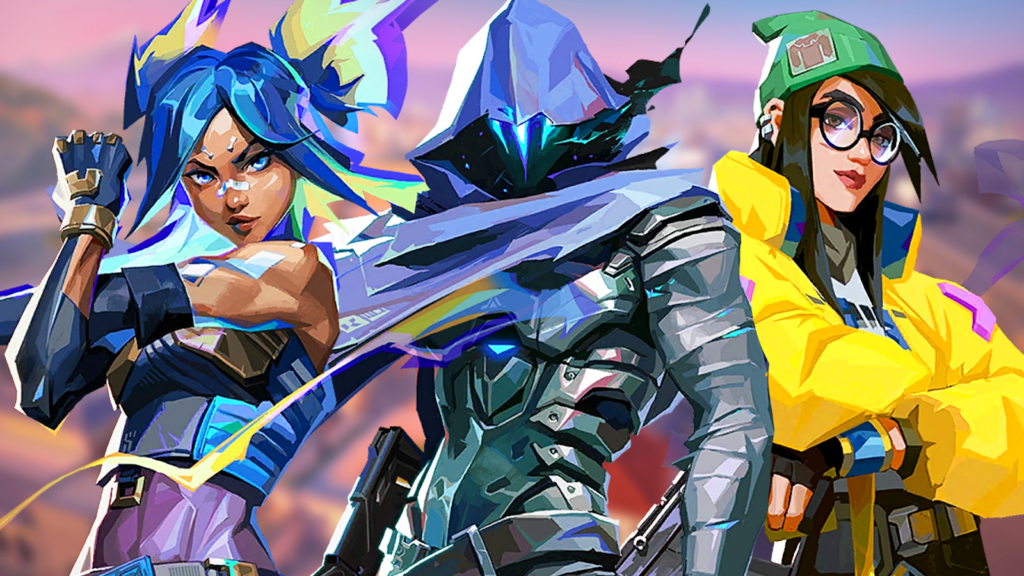
Valorant’s unique blend of tactical shooter mechanics and agent abilities creates a dynamic competitive experience unlike any other FPS title. While precise aim and map knowledge form the foundation of success, understanding agent capabilities, team compositions, and role synergies separates average players from ranked superstars. Whether you’re selecting your first agent or perfecting advanced strategies with your main, comprehensive agent knowledge transforms your gameplay from reactive to strategically dominant.
Understanding Agent Classes and Roles
Riot Games organizes Valorant’s diverse roster into four distinct classes, each serving specific tactical purposes within team compositions.
Duelists: Entry Fraggers and Aggressive Playmakers
Duelists excel at taking aggressive map control and securing opening kills. Their self-sufficient abilities enable solo plays and create space for teammates to follow. Jett’s mobility, Reyna’s self-healing, Phoenix’s sustain, Raze’s explosive damage, and Yoru’s deception all facilitate aggressive playstyles that pressure defenders.
Duelists typically enter sites first, using their abilities to gain positional advantages before engagements. Strong duelist players possess exceptional aim, quick reaction times, and fearless aggression that forces enemies into difficult defensive positions.
Controllers: Map Control and Vision Denial
Controllers manipulate sightlines and territory through smokes, walls, and vision-blocking abilities. Brimstone, Omen, Astra, Viper, and Harbor provide essential utility for executing site takes, blocking rotations, and controlling post-plant situations.
Effective controllers understand map geometry, common defensive setups, and smoke timings that maximize team effectiveness. Their utility often determines whether site executions succeed or fail, making controller players crucial to coordinated team play.
Initiators: Information Gathering and Enemy Disruption
Initiators reveal enemy positions, flush defenders from entrenched spots, and create opportunities for teammates to capitalize. Sova’s recon abilities, Breach’s stunning flashes, Skye’s healing and information tools, KAY/O’s suppression, Fade’s terror abilities, and Gekko’s versatile creature utility all serve initiating functions.
Strong initiator play requires map knowledge—knowing common defensive positions, rotation timings, and how to maximize information-gathering abilities. Initiators often work directly with duelists, using utility to set up entry fraggers for advantageous engagements.
Sentinels: Defensive Anchors and Flank Protection
Sentinels excel at holding sites, gathering defensive information, and preventing enemy flanks. Sage’s walls and slows, Cypher’s tripwires and cameras, Killjoy’s turrets and alarmbot, Chamber’s teleport escapes, and Deadlock’s traps all provide defensive value that stalls attackers and protects team flanks.
Sentinel players must balance aggressive defensive positions with staying alive to anchor sites during retakes. Their utility often buys crucial seconds that allow teammates to rotate and reinforce threatened positions.
Account Progression and Agent Unlocking
New Valorant accounts start with limited agent access, requiring players to unlock the full roster through gameplay or purchase. The progression system grants free agents periodically, but completing the entire roster organically takes considerable time investment.
Many competitive players maintain multiple accounts at various ranks for practice, playing with friends at different skill levels, or avoiding queue times at extreme MMR ranges. Some players choose to purchase valorant accounts that already have agents unlocked, specific rank achievements, or rare cosmetic collections. The market for valorant accounts has grown as players seek to bypass the initial grind or access smurfs for alternative practice environments.
When considering account purchases, understand that account sharing and selling violates Riot’s Terms of Service and carries risks including permanent bans if detected. Additionally, playing on purchased accounts at ranks significantly different from your actual skill level creates poor experiences for teammates and opponents alike. The most sustainable path involves legitimate progression, though the temptation to shortcut exists given the time investment required to unlock all content.
Agent Selection Strategy
Choosing appropriate agents for your playstyle, team composition, and map creates competitive advantages before rounds even begin.
Playing to Your Strengths
Aggressive players with strong aim gravitate toward duelists where their mechanical skill directly translates to impact. Patient, strategic thinkers often excel with sentinels or controllers, using their game sense to outthink opponents. Players with excellent communication and game awareness maximize initiator value by creating opportunities teammates can exploit.
Forcing yourself to play agents that conflict with your natural tendencies rarely produces optimal results. While versatility matters, identifying your strengths and selecting agents that amplify them accelerates improvement and increases enjoyment.
Team Composition Considerations
Balanced teams typically include at least one controller for smokes, one initiator for information, and one sentinel for defensive utility. Duelist slots vary—some compositions run zero duelists while others feature two or three depending on strategy and player preferences.
Instalocking duelists without considering team needs creates unbalanced compositions lacking essential utility. While playing your preferred agent matters, adapting to team requirements demonstrates maturity and improves win rates. Having secondary agents in different classes provides flexibility when your main is selected or team composition requires different roles.
Map-Specific Agent Selection
Certain agents excel on specific maps due to geography and common strategies. Viper dominates on Breeze and Icebox where her walls and smokes control massive open spaces. Cypher and Killjoy thrive on maps with narrow chokepoints their utility can lock down. Jett’s mobility provides exceptional value on vertical maps like Ascent and Split.
Understanding which agents synergize with map layouts helps team composition and increases individual impact. Flexing between agents based on map selection demonstrates advanced game knowledge and commitment to winning.
Mastering Individual Agents
Deep agent mastery requires understanding ability nuances, optimal usage scenarios, and creative applications beyond basic functions.
Jett: The High-Mobility Duelist
Jett’s dash and updraft provide unmatched mobility for aggressive peeks, fast rotations, and vertical plays. Her Blade Storm ultimate enables eco-round impact without rifle investment. Mastering Jett requires exceptional aim since her abilities primarily enhance positioning rather than directly securing kills.
Advanced Jett players use smokes aggressively for one-way vision advantages, dash after kills to escape trades, and updraft to unexpected angles that catch opponents off-guard. Her ultimate’s mobility while equipped allows knife-peeking around corners without movement penalty before quickly switching to guns when necessary.
Sova: The Information King
Sova’s recon bolt, drone, and shock darts provide versatile information gathering and damage potential. Learning lineup spots for arrows on each map takes practice but dramatically increases impact. His ultimate can deny plants, clear common positions, and secure kills through walls when combined with drone reconnaissance.
Elite Sova players memorize dozens of arrow lineups for revealing common positions, clearing specific angles, and gathering post-plant information. Understanding defender tendencies allows targeted reconnaissance that exposes enemy setups before site executions.
Omen: The Versatile Controller
Omen’s rechargeable smokes, teleport, and paranoia flash create versatile playmaking potential. His smokes recharge, allowing extended round control unlike Brimstone’s fixed count. Teleport enables aggressive lurks, fast rotations, and creative flanks that pressure opponents from unexpected angles.
Advanced Omen play involves fake teleports that bait utility, one-way smoke setups providing vision advantages, and paranoia flashes timed with teammate entries for maximum confusion.
Killjoy: The Setup Sentinel
Killjoy’s turret, alarmbot, and nanoswarm grenades create oppressive site holds when properly positioned. Her ultimate forces enemies off objectives or into vulnerable positions when planting. Understanding common plant spots and pre-placing utility accordingly maximizes defensive effectiveness.
Strong Killjoy players maintain adaptable setups that cover multiple angles, recall utility when necessary to redeploy elsewhere, and use turret positioning for off-angle crossfires that catch attackers focused on teammate positions.
Ability Economy and Management
Managing ability economy—when to buy, save, or use utility—separates efficient players from those wasting resources.
Buying Strategy
Full-buy rounds demand complete utility purchases maximizing team capability. Force-buy situations require judgment—sometimes purchasing essential smokes or flashes matters more than upgrading weapons. Save rounds typically mean minimal ability purchases, preserving credits for upcoming full buys.
Understanding when teammates have utility versus when they’re saving helps avoid overlapping roles unnecessarily. If your controller can’t afford smokes, consider whether you need your full ability loadout or if you can save for next round.
Usage Timing
Saving abilities “just in case” often means dying with unused utility that could have won the round. Conversely, using everything immediately leaves you vulnerable later in rounds. Finding balance requires experience and game sense—recognizing when abilities provide maximum value versus holding them for contingencies.
Post-plant situations often demand utility usage—molotovs denying defuses, smokes blocking sightlines, or walls slowing retakes. Using abilities decisively in these moments often determines round outcomes.
Team Coordination and Communication
Individual agent mastery means little without coordinated team play leveraging combined utility.
Executing Site Takes
Coordinated site executions require sequenced utility usage. Initiators reveal defensive positions, controllers smoke key angles, sentinels watch flanks, and duelists entry behind covering utility. Random individual plays rarely overcome organized defenses.
Calling utility usage ensures teammates know when smokes deploy, flashes fly, or walls rise. This coordination prevents wasted abilities and creates windows where teammates can capitalize on opponents caught in vulnerable positions.
Trading and Refragging
When duelists entry and secure opening kills, teammates must immediately trade if defenders kill the entry fragger. Abilities can facilitate trades—smokes blocking crossfires, flashes blinding defenders for safer peeks, or walls cutting off rotations.
Understanding trading positions—where you can immediately engage after teammates die—maximizes the value of aggressive plays even when initial entries don’t survive.
Adapting to Meta Shifts
Riot continually balances agents, adjusting abilities that prove overpowered or buffing underperforming characters. Staying current with patches and adapting strategies accordingly maintains competitive relevance.
When patches nerf your main agent, having backup options prevents performance crashes while you adjust. Following professional play reveals emerging agent compositions and strategies that trickle into ranked play. Being early adopters of strong post-patch agents provides temporary advantages before opponents adapt.
Conclusion
Mastering Valorant agents requires more than mechanical skill—it demands strategic thinking, team coordination, and continuous adaptation to evolving meta. Whether you’re grinding ranked on your main account, learning new agents, or developing versatile agent pools that flex with team needs, deep agent knowledge transforms your gameplay from basic execution to strategic dominance.
The most successful players combine exceptional agent mechanics with strong fundamentals—crosshair placement, movement, and game sense that transcend specific character abilities.
Focus on developing both aspects simultaneously, communicate effectively with teammates, and approach each match as a learning opportunity. Master these elements, and you’ll climb ranks while genuinely understanding why you’re winning rather than simply executing memorized strategies without comprehension. Valorant rewards intelligent play, and agent mastery represents the strategic layer that elevates good shooters into complete competitors.